

Understanding Safe Haven Assets
Safe haven assets are financial instruments that investors turn to during times of economic instability or market volatility. These assets are characterized by their ability to retain or increase in value when the broader market is experiencing downturns. A common trait of safe havens is their perceived reliability and stability, which provides a sense of security for investors looking to protect their wealth against turbulent economic conditions.
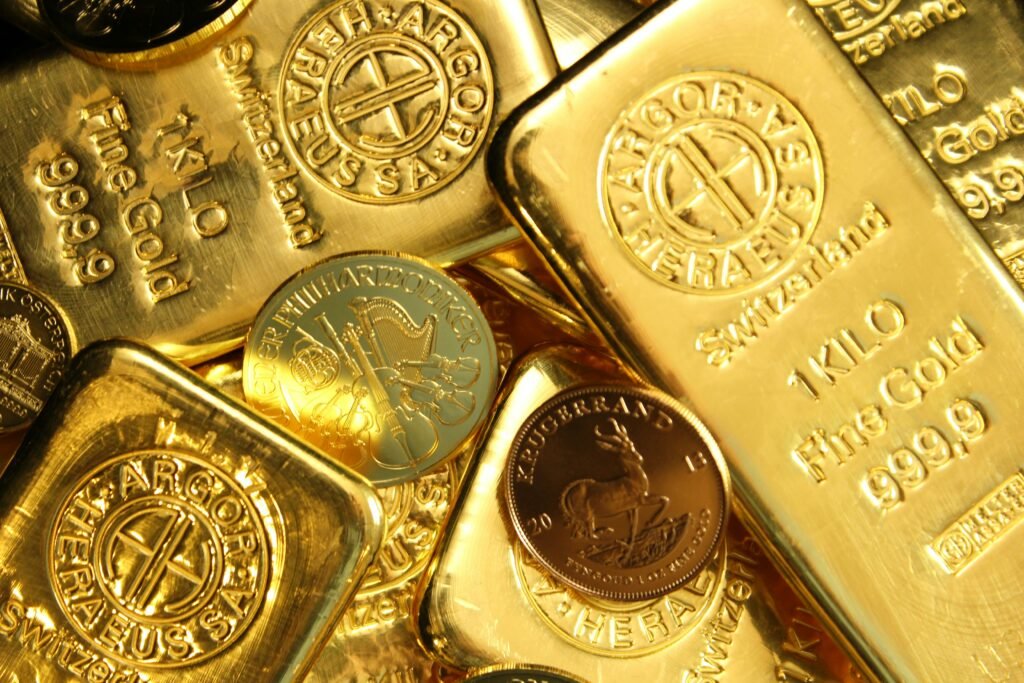
Historically, safe haven assets have included gold, government bonds, and certain foreign currencies. Among these, gold has long been regarded as the quintessential safe haven. It is a tangible asset that has maintained its value over centuries, and it often behaves differently than other financial instruments during periods of financial stress. When market participants fear economic collapse or inflation, they often flock to gold, driving up its price and showcasing its role as an effective hedge against instability.
Government bonds, particularly those issued by stable countries, are also considered safe haven assets. Investors typically seek out these bonds during times of economic uncertainty, as they are backed by government guarantees, thus providing a reliable return. Similarly, certain currencies, like the US dollar and Swiss franc, are viewed as safe havens due to their strong economies and robust financial systems.
The appeal of safe haven assets lies in their ability to provide a shield against inflation and economic downturns. For investors, these assets represent a means of preserving capital when financial turbulence is looming. By allocating resources to safe havens, individuals and institutions can safeguard their wealth and maintain purchasing power, demonstrating why these assets are consistently sought after in uncertain times.
Historical Performance of Gold in Crisis
Throughout history, gold has consistently demonstrated its role as a safe haven asset during times of financial turmoil. One of the most notable examples is the 2008 financial crisis, which led to a significant downturn in global markets. As the stock market plummeted, investors sought refuge in gold, causing its price to surge from approximately $800 per ounce at the beginning of the crisis in 2007 to nearly $1,900 per ounce by 2012. This remarkable increase illustrates gold’s ability to retain and even enhance its value when traditional investments falter.
Another pivotal moment in which gold proved its worth was during the period of hyperinflation in the 1970s. As inflation rates reached double digits in the United States, confidence in paper currency declined, prompting a shift towards gold as a means of preserving wealth. During this decade, the price of gold skyrocketed from under $40 per ounce to over $800, making it an essential asset for those looking to safeguard their finances against volatile economic conditions.
Geopolitical instability has also had a profound impact on gold’s performance. For instance, during the Gulf War in the early 1990s, investors flocked to gold as a defensive strategy against the uncertainty of war. In response, gold prices rose sharply, showcasing its status as a reliable asset during periods of global tension. Similarly, the ongoing conflict situations and economic sanctions have prompted fluctuations in gold prices, often leading to an upward trend as investors seek security in precious metals.
This historical data demonstrates that throughout various crises—be it stock market crashes, periods of inflation, or geopolitical unrest—gold has not only safeguarded value but frequently appreciated during turbulent times. Such trends indicate that gold remains a compelling investment choice for individuals seeking stability during unpredictable financial landscapes.
Current Economic Landscape and Gold’s Position
The contemporary economic environment is characterized by a multitude of factors that significantly influence asset stability and investment strategies. Inflation rates have shown a marked increase in various regions, leading investors to seek refuge in safer assets like gold. Rising prices often erode the purchasing power of cash, prompting individuals and institutions to consider gold as a hedge against inflationary pressures. Traditional financial wisdom posits that when inflation escalates, demand for gold typically rises because it has historically maintained its value under such circumstances.
Additionally, fluctuating interest rates are also critical in determining gold’s attractiveness as a safe haven. Central banks around the globe are navigating complex monetary policies, and any indication of increasing interest rates can lead to short-term declines in gold prices. However, if these rates remain low or are decreased again due to economic pressures, gold may regain its luster as a viable investment alternative due to its negative correlation with interest-bearing assets.
Geopolitical tensions further complicate the picture, providing yet another layer of complexity. Unrest or instability in certain regions can drive investors toward gold as they look for security amid uncertainty. For instance, ongoing geopolitical conflicts or trade disputes often lead to spikes in gold demand due to the perception of heightened risk. Experts suggest that current geopolitical climates bolster gold’s status as a protective asset, as historical patterns indicate increased investment in gold during times of crisis.
Recent trends in the gold market reveal notable price fluctuations that reflect these underlying economic shifts. As inflation continues to rise and interest rates fluctuate, gold retains its position as a popular choice among investors seeking stability. Analysts and financial experts maintain that, given the current economic indicators and an ongoing climate of uncertainty, gold will continue to be regarded as a reliable safe haven asset in volatile times.
Alternatives to Gold and their Viability
As investors seek refuge during volatile market periods, various alternatives to gold have emerged, each presenting its unique advantages and challenges. Notable among these alternatives are cryptocurrencies, real estate, and other precious metals such as silver and platinum.
Cryptocurrencies have gained significant traction as a potential safe haven asset. While they offer high liquidity and the promise of substantial returns, their notorious price volatility poses considerable risks. Unlike gold, which has maintained its value over centuries, cryptocurrencies lack a long-term historical performance record. This relative unpredictability raises questions about their reliability in times of economic uncertainty.
Real estate is another potential alternative; it is often viewed as a tangible asset that can provide a hedge against inflation. Historical trends suggest that real estate generally appreciates over time, offering both rental income and capital appreciation. However, it requires substantial initial investment and can come with high transaction costs, which reduces its liquidity compared to gold. In times of downturn, the real estate market can also experience downturns, leading to potential losses.
Precious metals, particularly silver and platinum, present another avenue worth considering. Silver is typically more affordable than gold and has various industrial applications, which can drive its demand. However, it is more volatile than gold, with its price often reflecting fluctuations based on market demand. Platinum, while rarer than gold, is primarily industrial in nature, leading to price variations that can differ drastically from gold’s performance, especially during economic downturns.
In conclusion, while gold has long been revered as a safe haven asset, alternatives such as cryptocurrencies, real estate, and other precious metals like silver and platinum are gaining popularity. Each option carries its distinctive advantages and disadvantages that investors must weigh carefully before making decisions in volatile times.